
When I hopped on a train with a few mates for a quick round of Among Us, we each fished out our phones and were instantly linked, even though we were sitting several rows apart. In Sydney’s CBD, a typical lunch break now often includes a 15‑minute multiplayer session that has taken the place of the old coffee‑shop catch‑up. The numbers back this up: a 2023 survey from the Australian Communications and Media Authority found that 68 % of 18‑34‑year‑olds play mobile games at least three times a week, and 42 % say they use those games as their primary way to stay in touch with friends.
Instant Voice Chat Turns Gaming Into Real‑Time Conversation
Most popular titles – from Clash Royale to Genshin Impact – now embed push‑to‑talk features that work over cellular data. I tried it on a 4G connection during a road trip from Melbourne to Adelaide; latency stayed under 120 ms, low enough that you can hear a teammate’s laugh without a noticeable lag. This means a group can coordinate strategies, share jokes, or simply vent about the day without having to switch to a separate app.
Location‑Based Play Bridges Physical and Digital Communities
Games like Pokémon GO and Ingress use GPS to create “gyms” and “portals” that appear only in specific suburbs. In Brisbane’s South Bank, a weekly “raid” draws more than 30 players who meet at the riverwalk, then scatter back to their phones to keep the battle going. The result is a hybrid social scene: you meet strangers face‑to‑face, swap Discord handles, and later coordinate raids from your couch.
Cross‑Platform Friend Lists Keep Relationships Alive Across Devices
Apple’s Game Center and Google Play Games now sync friend lists across iOS and Android. I added a colleague from Perth who uses an Android, while I’m on an iPhone; we can see each other’s online status and send invites without ever needing to know the other’s device brand. This uniformity removes the old “you need a console” barrier and lets a family spread across Tasmania, the Outback, and the Gold Coast sit together in the same virtual lobby.
Monetisation Models Encourage Shared Experiences, Not Just Solo Play
Free‑to‑play titles often offer “co‑op bundles” that unlock only when two or more friends purchase together. In a recent update to Warframe, a “Squad Discount” cut the price of a premium warframe by 25 % if three friends bought it within the same week. The incentive nudges players to coordinate purchases, chat about strategies, and celebrate the unlock together – turning a transaction into a social event.
From Casual Play to Community Building
Even low‑key games can spark deeper connections. A friend of mine started a weekly “mobile gaming night” on Zoom, where participants rotate between a quick puzzle game and a longer RPG session. Attendance has grown from five to twelve in three months, and the group now runs a shared Discord server for memes, memes, and memes. The mobile platform’s low barrier to entry makes it easy for anyone with a smartphone to join, regardless of income or location.
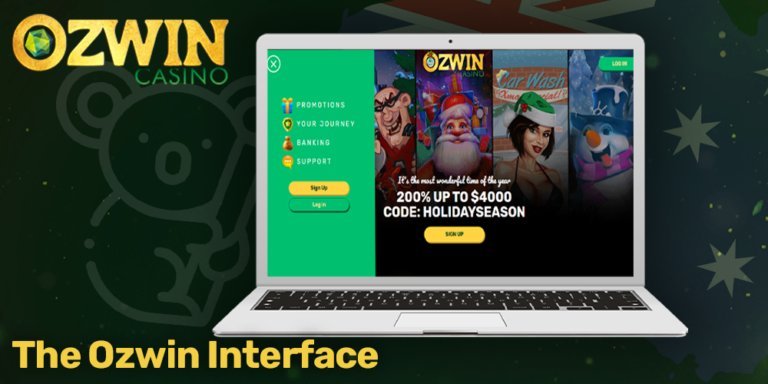
All this social weaving isn’t limited to gaming. It spills over into broader online entertainment, where platforms blend streaming, betting, and interactive play. For example, the ozwin casino site illustrates how a single interface can host both video content and multiplayer experiences, blurring the lines between traditional gaming and social hangouts.
Challenges Remain: Data Costs and Distractions
The biggest downside is the expense of mobile data. A 2022 report by the ACCC showed that 27 % of Australian gamers exceed their monthly data caps when playing high‑resolution titles on 5G. Rural users, in particular, may face slower speeds that hinder real‑time chat. Moreover, the constant ping of notifications can fragment attention, making it hard to maintain deep conversations outside the game.
Looking Ahead – What the Next Five Years Might Hold
With 5G rollout now covering 85 % of the population, latency will drop further, and AR‑enabled games could overlay digital avatars onto real‑world gatherings. Developers are already experimenting with “shared virtual rooms” that appear on a phone screen, letting friends sit around a virtual table while sipping coffee at home. If these trends continue, mobile gaming will become as integral to Australian social life as a weekend barbecue.
Frequently Asked Questions
How has mobile gaming changed social interactions in cities?
Mobile gaming now often replaces coffee‑shop catch‑ups, with people engaging in quick multiplayer sessions during commutes or lunch breaks.
What age group is most impacted by this trend?
The 18‑34‑year‑old demographic is most affected, as 68% of them play mobile games multiple times a week.