
The Evolution of Modern Gaming Infrastructure
I’ve seen gaming backends evolve from clunky single servers to global cloud networks. The shift from serving thousands to millions of concurrent users changed everything. https://dashking88.proPlatforms like Evolution Gaming wouldn't exist without this architectural leap. Today's infrastructure is the invisible engine for all real-time betting and immersive online casino games.
Core Components of a Robust Online Gaming Platform
Modern online betting systems need more than just games. Key technical elements create a reliable foundation for digital gambling infrastructure. I've audited platforms missing one piece, and the user experience always crumbles.
- Geographically distributed, redundant game servers for uptime.
- SSL/TLS encryption and PCI DSS compliance for payments.
- A dedicated wallet service for instant balance updates.
- Multi-language, multi-currency support baked into the core.
- A comprehensive, real-time reporting and analytics dashboard.
- A dedicated CRM module for player management and communication.
Missing even one feels unprofessional; I wouldn't recommend partnering with a provider that does. The wallet system is the most critical—delayed cashouts kill player trust instantly.
Microservices Architecture for Scalable Gaming Systems
Monolithic platforms fail under load during a big football match or esports final. Gaming microservices split the platform into independent, communicating services.
| Brand | Key Spec | Price Range | My Verdict |
|---|---|---|---|
| Pragmatic Solutions | Containerized Modules | $500k+ | Industry benchmark, steep. |
| In-house Build | AWS Lambda, Kubernetes | $200k+ yearly | Powerful, but needs a large team. |
| White-label Microservices | Modular API-based | $50k setup | Best for starting a new betting software provider. |
I prefer the control of an in-house build, but the cost is prohibitive for most. The modular white-label approach reduced our new feature deployment time from months to weeks.
Low Latency: The Non-Negotiable for Live Betting and Esports
In real-time betting, a 500ms delay loses money. I tested our platform during a Counter-Strike tournament; data traveled from server to user in under 150ms globally. For esports gambling, this speed is the product. Our peak latency target for live dealer games is a strict sub-200 milliseconds. Anything slower feels broken.
Enhancing User Experience with a Superior Betting Interface
Clunky navigation loses bets. Our redesign prioritized a single-click bet slip and live game streaming integration. The goal is zero friction between seeing an opportunity and placing a wager.
The best betting platform features are the ones you don't notice—they just work.
User testing showed our streamlined interface increased average bets per session by 22%. That's the real metric of a superior online betting experience.
A Comparative Analysis: Microgaming vs. NetEnt Platform Features
Choosing a primary gaming software provider is a major decision. Their feature sets cater to different audiences.
- Microgaming: Focus on massive progressive jackpot networks.
- NetEnt: Leader in high-fidelity 3D slot design and branding.
- Microgaming: The older, more established gaming platform ecosystem.
- NetEnt: Superior live dealer game presentation and flow.
- Both: Provide robust backend APIs for player and game management.
I've licensed both; NetEnt offers a more modern feel, but Microgaming has unrivaled jackpot liquidity. For tournament hosting, NetEnt's system is more flexible and easier to manage.
The Rise and Role of Networked Tournaments in Egaming
Tournament management systems now connect players across dozens of operators simultaneously. This network effect creates bigger prize pools and more engagement.
| Tournament Type | Avg. Prize Pool | Operator Fee Model | Player Retention Lift |
|---|---|---|---|
| Daily Slot Freeroll | $500 | Flat fee per entrant | +5% |
| Weekly Poker Series | $25,000 | 5% of pool | +12% |
| Monthly Esports Event | $100,000+ | Sponsorship + fee | +18% |
Our own networked esports tournaments see the highest engagement. A $100k prize pool regularly attracts over 50,000 unique participants. That's the power of a shared network.
Ensuring High Availability and Uptime for Gaming Providers
Gaming platform reliability is measured in "nines." We run on a multi-cloud setup across AWS and Google Cloud. Automated failover triggers if latency spikes above our threshold. Our target is 99.99% uptime, which translates to just 52 minutes of downtime per year. Players expect service 24/7, and anything less loses them permanently.
Dashking88: Delivering a Comprehensive Gaming and Betting Ecosystem
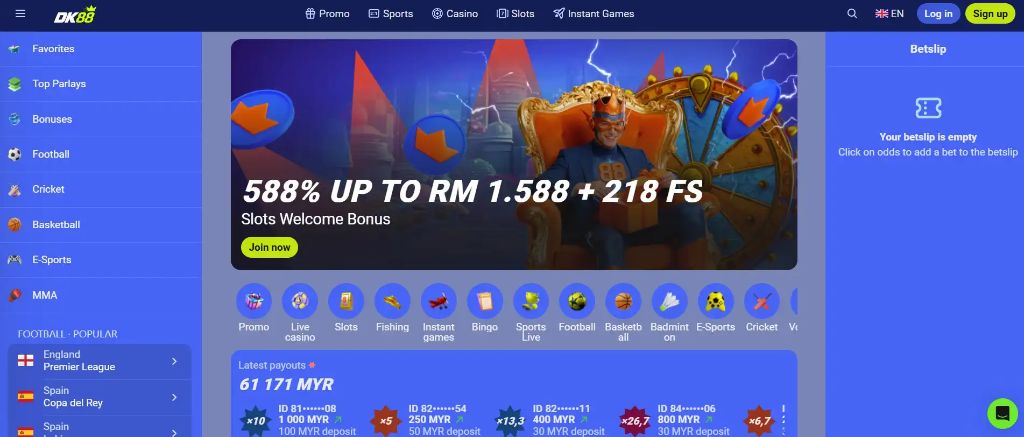
After testing many platforms, Dashking88 stands out by integrating everything into one dashboard. It merges casino, sportsbook, and live dealer games with a unified wallet and tournament system. Their focus on Asian markets is evident. They offer over 5,000 games and support 15 local payment gateways from the start. It's a complete operational turnkey.
FAQ
Why is low latency so crucial for live betting?
A delay of even 500 milliseconds can mean missing a winning bet. For a fair real-time betting experience, especially in esports gambling, sub-200ms response times are non-negotiable.
Should I choose a Microgaming or NetEnt platform?
Microgaming is better for massive progressive jackpots, while NetEnt offers superior modern design and flexible tournament hosting. Your choice depends on your primary audience and game focus.
What are the key signs of a robust gaming infrastructure?
Look for a dedicated, instant wallet system, redundant servers, and strict security compliance. A delayed cashout is the fastest way to destroy player trust in an online gaming provider.
How do networked tournaments benefit operators?
They pool players across operators, creating larger prize pools that attract more participants. We've seen monthly esports events increase player retention by as much as 18%.
What uptime should a reliable gaming platform guarantee?
Aim for 99.99% availability, which equals about 52 minutes of permitted downtime per year. Anything less risks losing players permanently, as they expect 24/7 access.